
The Beginner's Roadmap to Understanding Your Metabolism
Beth Feagins · October 8, 2026 · 4 min read
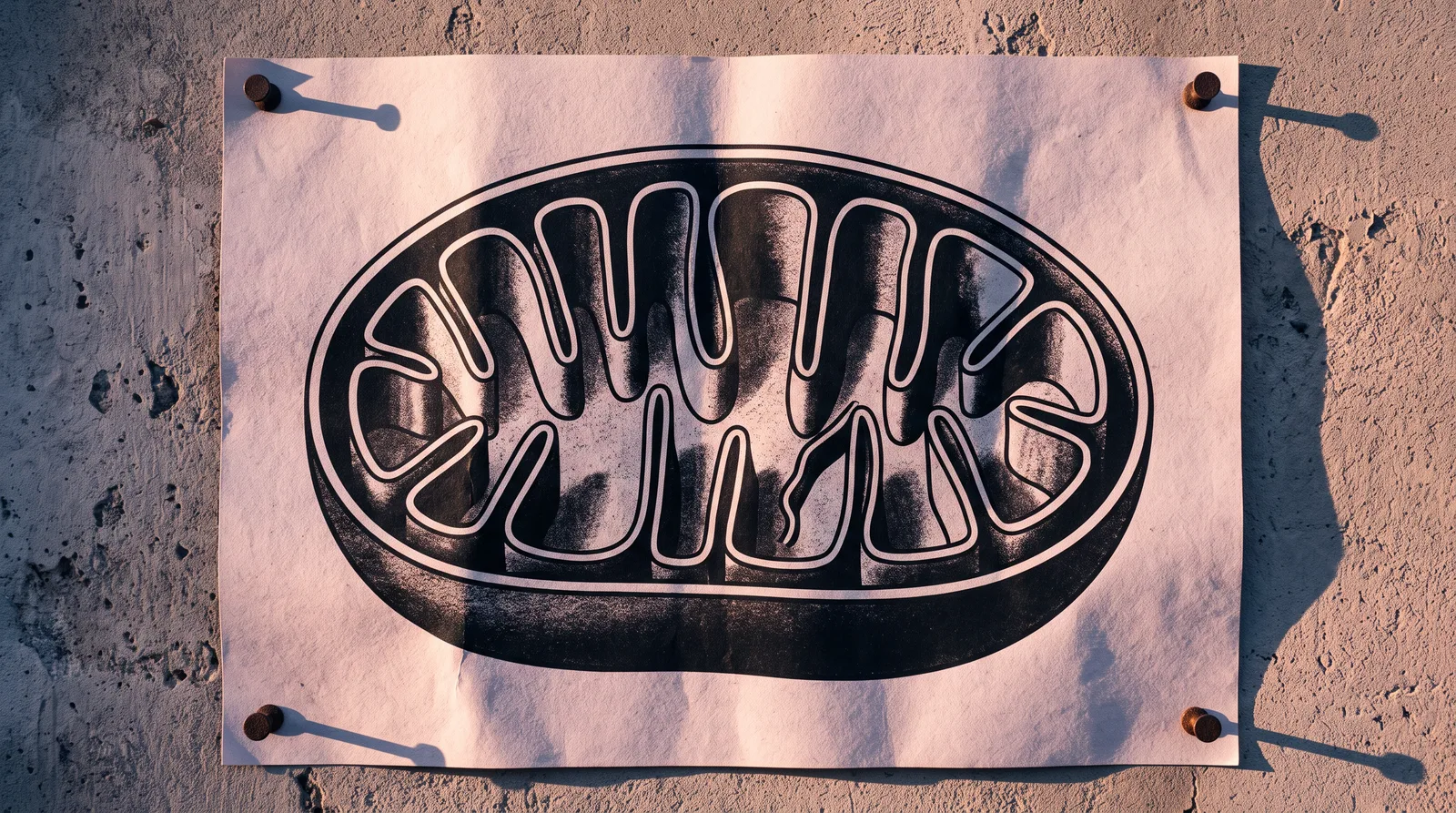
Every time someone tells me they have a "slow metabolism," I ask the same question: what do you think your metabolism actually is? Most people pause. They know it has something to do with calories and weight, but beyond that, it gets fuzzy fast.
That fuzziness is worth clearing up — because once you understand what your metabolism actually does, you stop chasing shortcuts and start making changes that hold.
What Metabolism Actually Means
Your metabolism is the sum total of every chemical reaction happening in your body right now to keep you alive. That includes breaking food down into usable fuel, building and repairing tissue, regulating your temperature, pumping your heart, and running your brain. Every single second, billions of reactions are either building things up (called anabolism) or breaking things down (called catabolism). Together, those two processes are your metabolism.
So when people say "I want to speed up my metabolism," what they really mean is: I want my body to use more energy more efficiently. That's a much more interesting and solvable problem.
How Your Body Turns Food Into Energy
Here's the simplified version of a genuinely fascinating process.
When you eat carbohydrates, your digestive system breaks them down into glucose — a simple sugar that travels through your bloodstream. Your cells pull in that glucose and run it through a process called cellular respiration, converting it into a molecule called ATP (adenosine triphosphate). ATP is your body's actual energy currency. Everything your body does — every muscle contraction, every nerve signal, every heartbeat — is powered by ATP.
Fats go through a different but equally elegant pathway called beta-oxidation, where fatty acids are broken down and fed into the same ATP-producing machinery. Protein can also be converted to fuel in a pinch, though your body prefers to use it for building and repair.
The organ at the center of all of this? Your liver. It's constantly managing blood sugar levels, processing nutrients, converting excess glucose to glycogen (your storage form), and deciding what gets burned versus what gets stored.
What Actually Slows Your Metabolism Down
Here's where it gets practical. A few real, evidence-based factors that reduce your metabolic efficiency:
1. Loss of muscle mass. Muscle is metabolically expensive — it burns calories just to exist. As we lose muscle (through inactivity, under-eating, or aging), our resting energy expenditure drops. This is one of the biggest levers you have.
2. Chronic undereating. When you dramatically cut calories, your body reads that as scarcity and downregulates energy output — reducing thyroid hormone activity, lowering body temperature, and conserving fuel. It's a survival mechanism, not a character flaw.
3. Poor sleep. Sleep is when your body does its most important metabolic housekeeping — regulating hunger hormones like leptin and ghrelin, managing insulin sensitivity, and repairing tissue. Cut sleep short, and you disrupt all of it.
4. Chronic inflammation. Low-grade, persistent inflammation — driven by things like ultra-processed food, excess visceral fat, and chronic stress — interferes with how your cells respond to insulin. Over time, this is a major driver of metabolic dysfunction.
The First Evidence-Based Steps to Optimize It
You don't need a protocol. You need a direction. Here are the foundational moves:
Build and protect muscle. Resistance training — even two sessions a week — signals your body to maintain metabolically active tissue. You don't need a gym. Bodyweight exercises at home count.
Eat enough protein. Protein has the highest thermic effect of any macronutrient, meaning your body burns more energy just to digest it. It also feeds muscle repair and helps regulate appetite. Aim for roughly 0.7–1 gram per pound of body weight as a starting point.
Prioritize sleep like a training variable. Seven to nine hours isn't a luxury — it's when metabolic repair happens. If your sleep is poor, your nutrition and exercise will underperform.
Reduce ultra-processed food. These products are engineered to override your satiety signals and drive chronic inflammation. You don't need to eat perfectly — but reducing the proportion of ultra-processed food in your diet is one of the highest-leverage changes you can make.
Move consistently, not intensely. Non-exercise activity thermogenesis (NEAT) — the energy you burn walking, standing, fidgeting — accounts for a surprisingly large portion of daily calorie expenditure. More daily movement, spread throughout the day, often matters more than one hard workout.
The Bigger Picture
Your metabolism isn't a fixed trait you inherited and are stuck with. It's a dynamic biological system that responds — constantly — to what you eat, how you move, how you sleep, and how inflamed your body is at a baseline level.
Understanding that system is the first step. Everything else — the smarter training, the better food choices, the real disease prevention — builds on this foundation.
If you want to go deeper into the science behind any of this, that's exactly what my courses are designed for.